
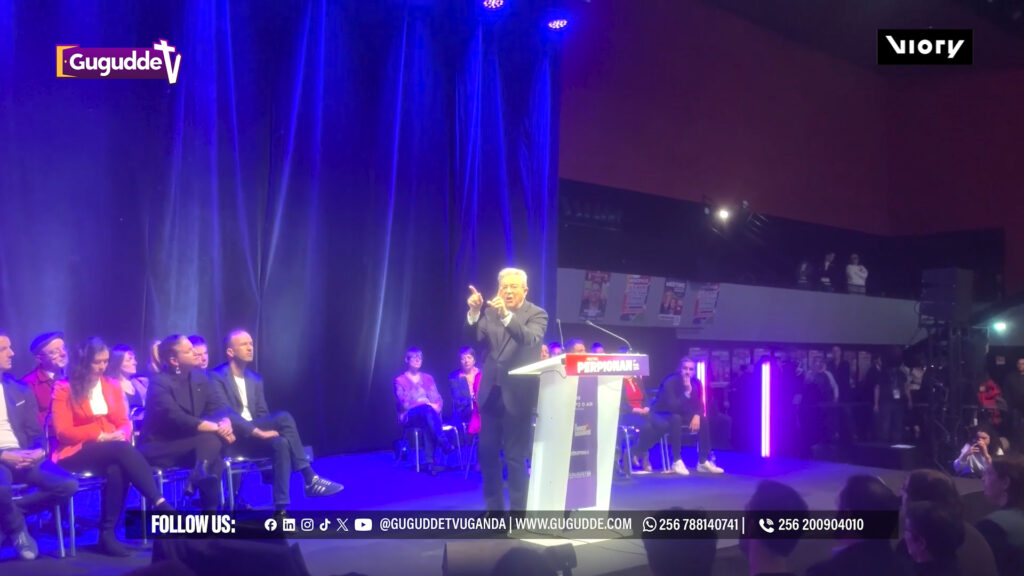
Jean-Luc Mélenchon, leader of La France Insoumise (LFI), has denounced the joint U.S.–Israeli military operation against Iran, calling the strikes an act of “supremacism” and questioning Western governments’ commitment to international law.
Speaking at a campaign rally in Perpignan on Sunday, Mélenchon addressed a cheering crowd while backing LFI municipal candidate Mickael Idrac ahead of mid-March elections. Supporters queued outside the venue as he delivered a strongly worded critique of both Washington and Tel Aviv.
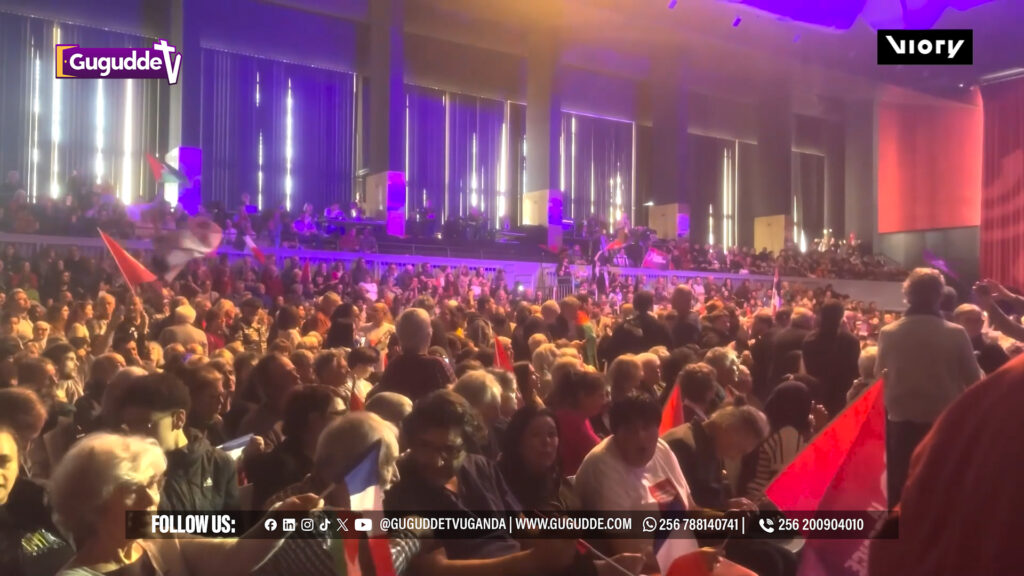
“I cannot feel any sympathy for the government or for the actions of Mr. Netanyahu, whom I consider a genocidal head of state. But I cannot feel sympathy for Mr. Trump either. What do these people have in common? Supremacism,” Mélenchon declared, referring to Israeli Prime Minister Benjamin Netanyahu and former U.S. President Donald Trump.
He argued that continued bombing campaigns across large parts of Iran were being justified by alleged weapons programs that, he claimed, might have been avoided had the 2015 nuclear agreement remained intact — a deal Trump withdrew from during his first term.
On nuclear policy, Mélenchon called for comprehensive regional disarmament. “If you say you do not want nuclear proliferation in Iran, then nuclear disarmament must be total in the region. It cannot be that only one country is allowed to possess nuclear weapons,” he said.
Concluding his address, the LFI leader rejected military escalation altogether. “No war — not against the Russians, not against the Chinese, not against anyone. There are ways to resolve problems other than war, unless the goal is simply to make money.”
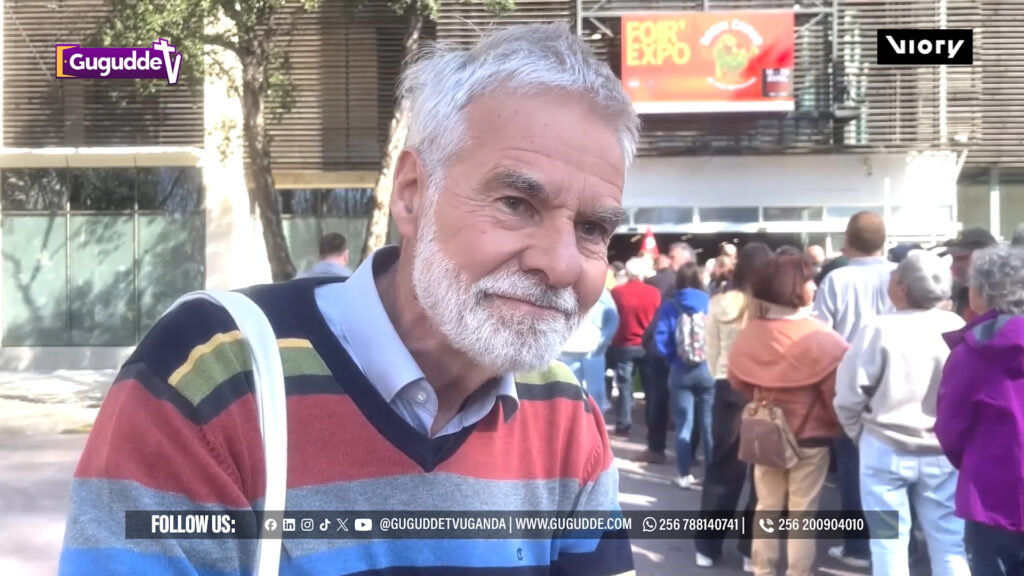
Supporters at the rally echoed concerns about a widening conflict, with some warning of the risk of a third world war and criticizing what they described as a breakdown in adherence to international law.
The remarks come as U.S. and Israeli forces continue coordinated strikes on Iran following the reported killing of Supreme Leader Ali Khamenei. Iran’s Revolutionary Guard has launched retaliatory missile attacks targeting Israel, several Gulf states, and U.S. military bases in the region.
The escalation follows three recent rounds of talks between Iranian and American officials — one in Muscat and two in Geneva with technical-level discussions scheduled to resume on March 2.