

Uganda joined the global community in commemorating World Wildlife Day 2026 (#WWD2026) under the theme “Medicinal and Aromatic Plants: Conserving Heritage, Health and Livelihoods.” The national celebrations underscored the country’s commitment to protecting biodiversity while harnessing nature’s resources for sustainable development.
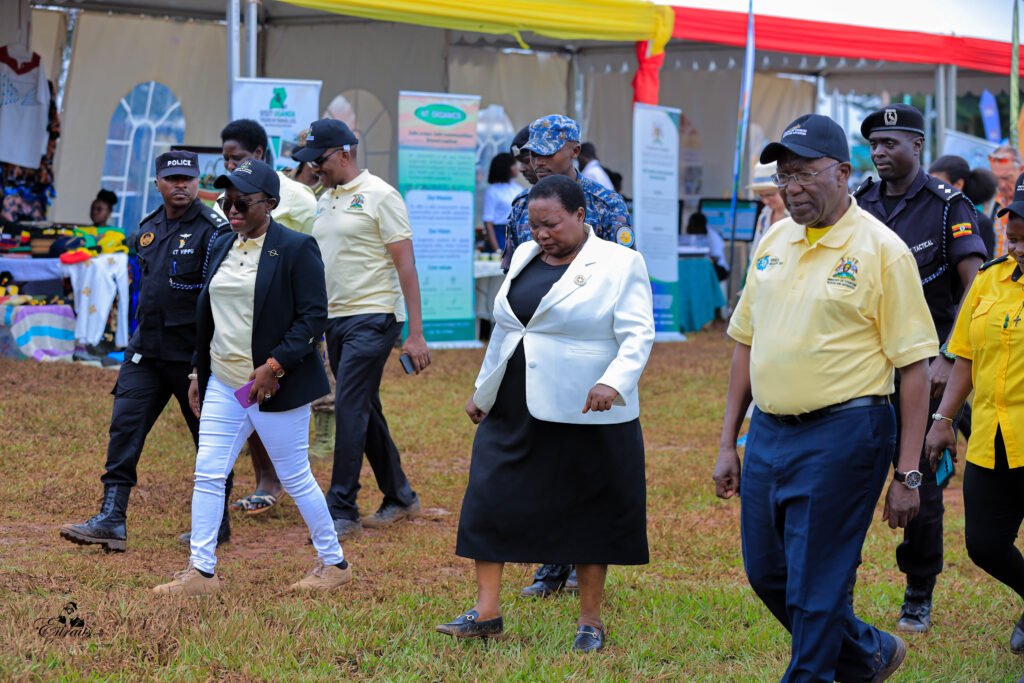
The event was presided over by Prime Minister Robinah Nabbanja, representing President Yoweri Kaguta Museveni. In his message, the President commended the Ministry of Tourism, Wildlife and Antiquities for organizing the commemorations and reaffirmed government’s unwavering commitment to safeguarding Uganda’s rich natural heritage.
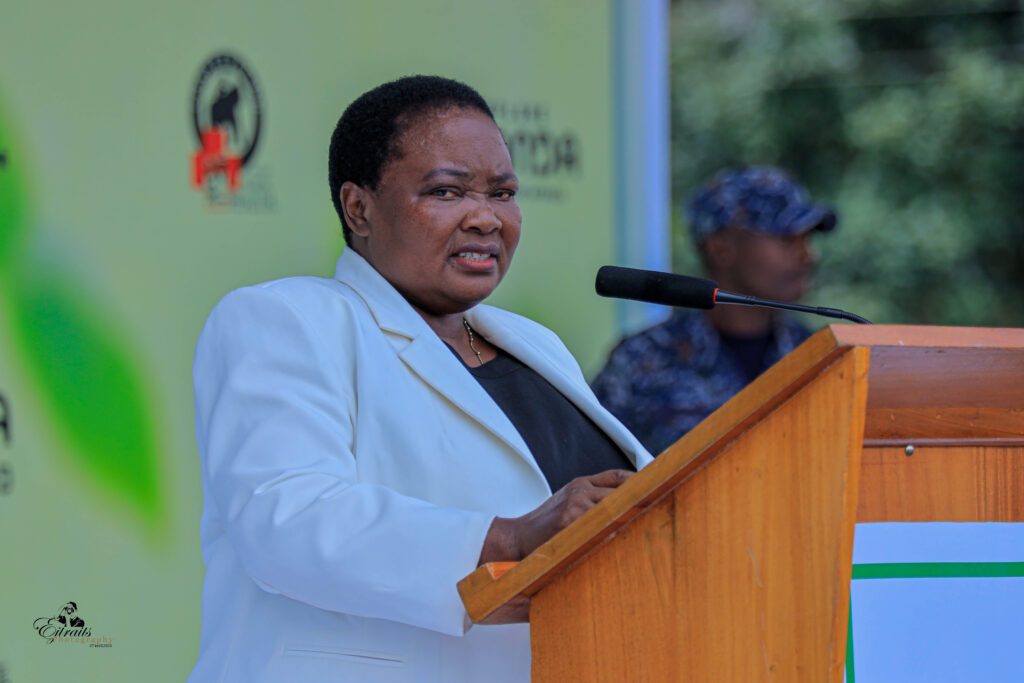
He emphasized that medicinal and aromatic plants are not merely environmental assets but pillars of cultural identity, public health, and rural livelihoods. Calling on all Ugandans to play an active role in conservation, he stressed the urgency of combating environmental degradation to secure the country’s abundant wildlife resources for future generations.
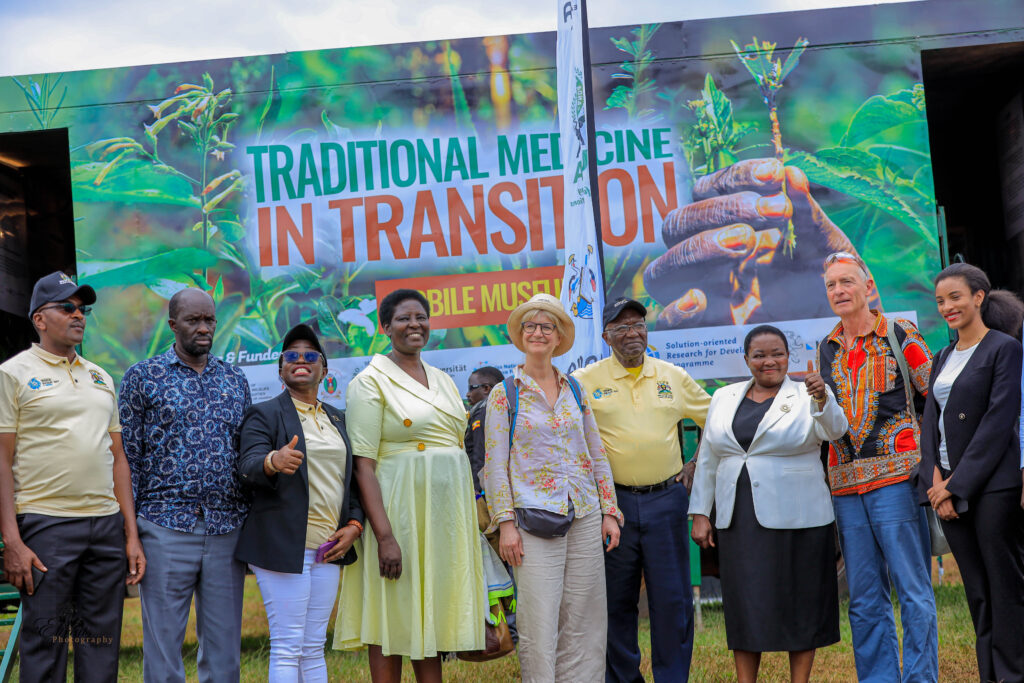
Delivering his address, the Minister of Tourism, Wildlife and Antiquities, Tom R. Butime, described the 2026 theme as both timely and deeply personal to communities across the country.
He noted that medicinal and aromatic plants (MAPs) are central to human health, ecological balance, and economic opportunity. Globally, between 50,000 and 70,000 plant species are harvested for medicinal, cultural, and commercial purposes. According to the World Health Organization, 70–95% of people in developing countries rely on traditional medicine for primary healthcare. In Uganda, more than two-thirds of the population depend on traditional remedies either as a primary or complementary form of treatment.

From Karamoja to the islands of Lake Victoria, medicinal plants remain embedded in daily life, family traditions, and community survival.
Uganda ranks among the world’s most biodiversity-rich nations, endowed with plant species of immense ecological and economic value. Among them are:
- Prunus africana – widely used in treating prostate conditions
- Warburgia ugandensis – valued for respiratory and immune-related ailments
- Mondia whitei – known for cultural and medicinal significance
- Aloe vera – popular for skin and digestive health
- Artemisia annua – increasingly recognized for its medicinal applications
These species represent more than remedies. They embody heritage passed from elders to youth, provide income for rural households, and present opportunities in research, value addition, herbal products, cosmetics, pharmaceuticals, and wellness tourism. Uganda’s natural wealth, the Minister noted, positions the country as a competitive eco-tourism destination in the region.

Despite their importance, medicinal and aromatic plants face mounting threats from deforestation, climate change, overharvesting, habitat loss, and illegal trade. Over 20% of medicinal plant species used globally are currently listed as threatened on the IUCN Red List, making conservation a pressing international priority.
“When a medicinal plant disappears,” the Minister emphasized, “we do not only lose a species — we lose knowledge, income, and opportunities for future generations.”
He called for stronger regulations, sustainable harvesting practices, expanded cultivation, and increased documentation of indigenous knowledge to protect these invaluable resources.

The Government of Uganda is placing communities at the heart of biodiversity conservation. Through revenue-sharing programs, collaborative management of protected areas, and livelihood support initiatives, local populations are benefiting directly from protecting nature.
The Ministry is also promoting the domestication and cultivation of medicinal plants, working closely with traditional healers, researchers, and the private sector to ensure safe, sustainable, and value-added utilization. These efforts are creating employment opportunities particularly for women and youth while strengthening household incomes.
The Minister commended cultural leaders and elders for safeguarding indigenous knowledge and urged young people to embrace conservation as a pathway to innovation, entrepreneurship, and national pride.

As Uganda marked World Wildlife Day 2026, the message was clear: conserving medicinal and aromatic plants is not only an environmental priority but a strategic investment in health, heritage, and economic resilience.
“Our health is rooted in nature, our heritage is written in biodiversity, and our livelihoods are sustained by healthy ecosystems,” the Minister concluded. “By conserving medicinal and aromatic plants, we are securing a stronger, healthier, and more resilient Uganda for generations to come.”