
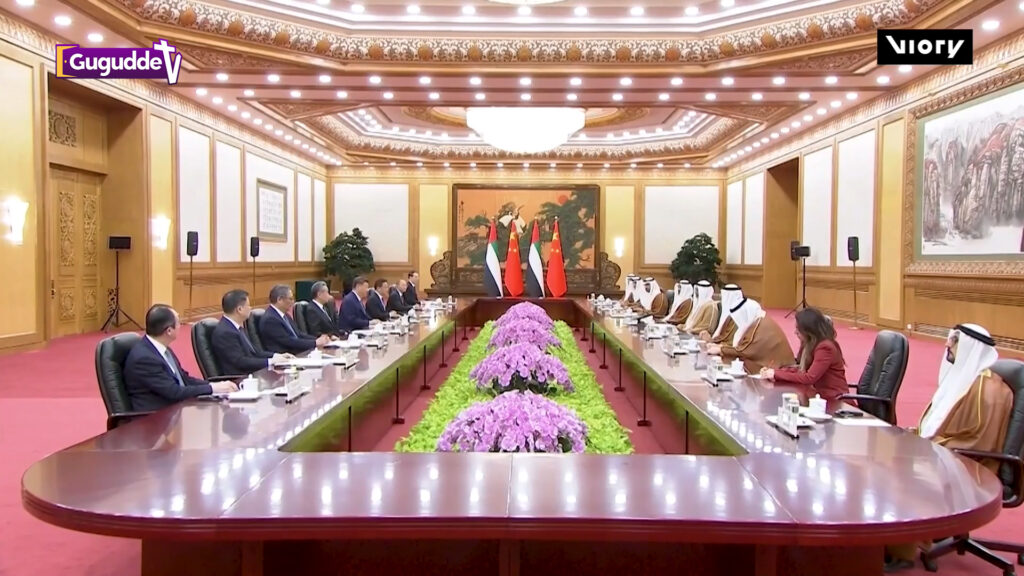
Chinese President Xi Jinping put forward a four-point proposal on promoting Middle East peace and stability during a meeting at Beijing’s Great Hall of the People with Sheikh Khaled bin Mohamed bin Zayed Al Nahyan, Crown Prince of Abu Dhabi, hoping to chart a path toward de-escalation in the region.
Photo shows Xi and Sheikh Khaled shaking hands before sitting down in the meeting, joined by officials on both sides.
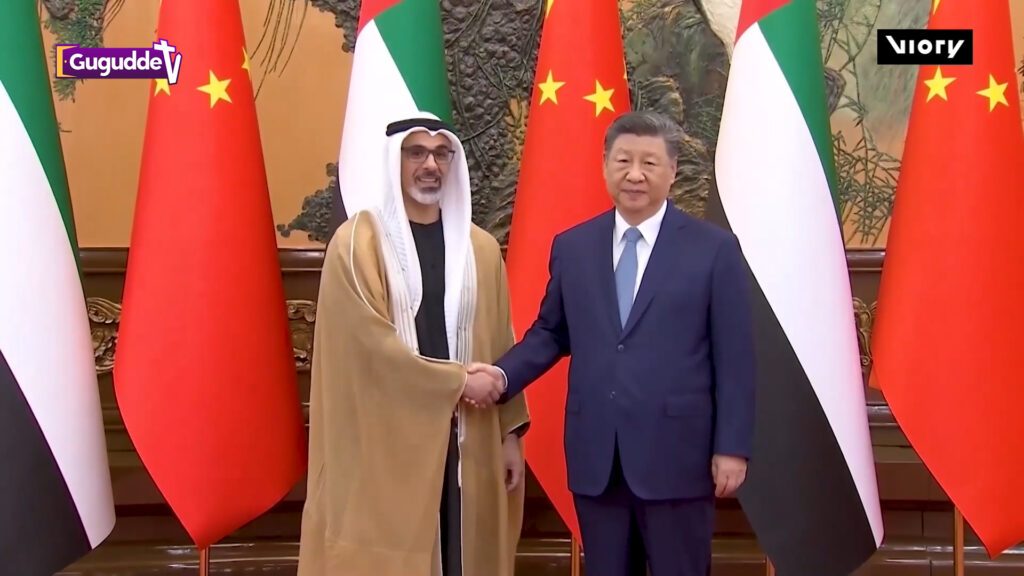
Central to the discussions was Xi’s unveiling of a landmark four-point proposal to restore stability to the Gulf. The first and most foundational of these principles is a strict adherence to peaceful coexistence.
Xi noted that the nations of the Middle East and the Gulf are “interdependent neighbours that cannot be moved,” adding that regional security must be managed through internal cooperation rather than external military pressure.
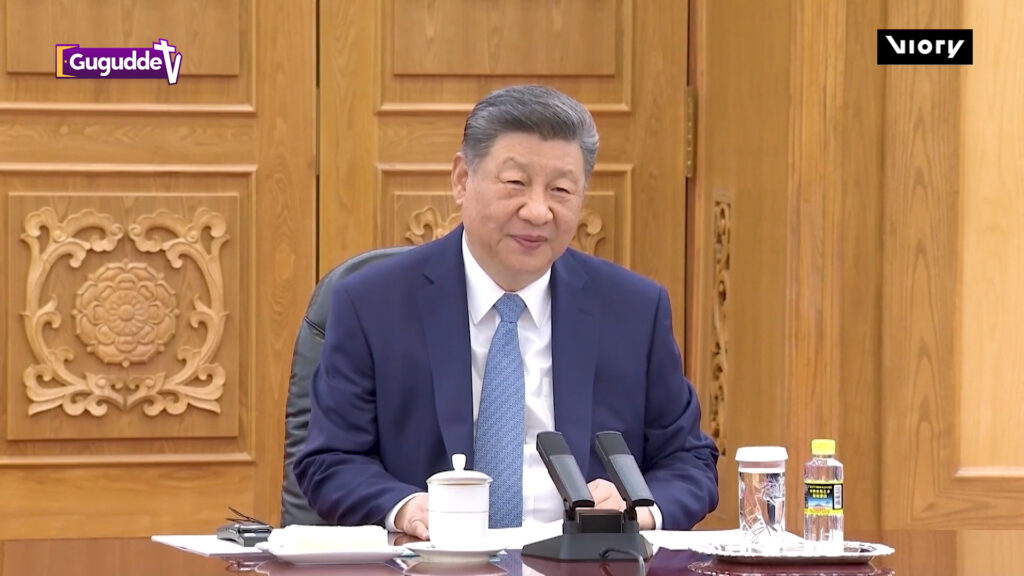
This was highlighted by the following three points of the peace plan: Respect for national sovereignty; adherence to the international rule of law; and coordination between development and security.
With oil prices fluctuating under the threat of naval blockades and regional instability, the United Arab Emirates remains a vital strategic partner for China.
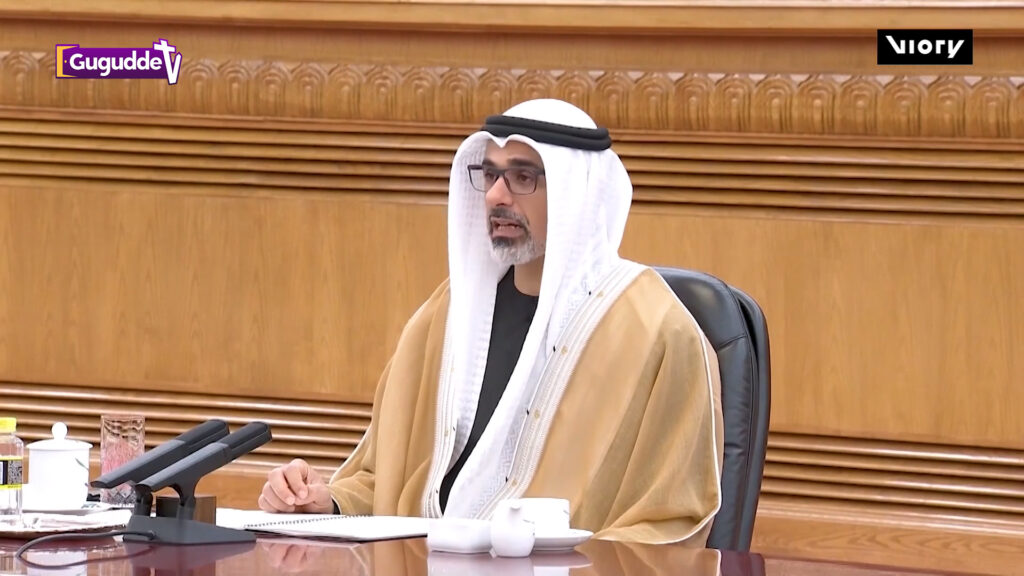
Sheikh Khaled said that ‘the UAE appreciates China’s responsible and constructive role in international affairs and its positive efforts toward a political solution to the current Middle East crisis.’
For Abu Dhabi, strengthening political mutual trust with China offers a stabilising counterweight during a period when traditional Western security guarantees are being openly questioned.
The meeting comes on the same day as Spanish PM Pedro Sanchez, also in Beijing, called for a move toward a multipolar order, saying only China could ‘untangle this situation’ in the Middle East.
It comes after high-level delegations from the United States and Iran held 21-hour talks in Islamabad on Sunday without reaching a deal, prompting the announcement of a US Navy blockade effective Monday.